

Essential Wildlife Carer Starter Kit
If you care for native wildlife—whether you're new to rescue or you've been doing it for years—having a reliable "grab-and-go" kit saves time and reduces stress (for you and the animal).
Read More
Explore expert tips, rescue guides, and trusted advice from passionate professionals devoted to protecting animals and wildlife
If you care for native wildlife—whether you're new to rescue or you've been doing it for years—having a reliable "grab-and-go" kit saves time and reduces stress (for you and the animal).
Read More
One of the most common questions we get is: “Which teat should I buy?” The best option depends on the animal, the feeding method, and the flow rate required.
Read More
Latex and silicone teats can both work well—what’s “best” often comes down to feel, durability, and how they perform during feeding.
Read More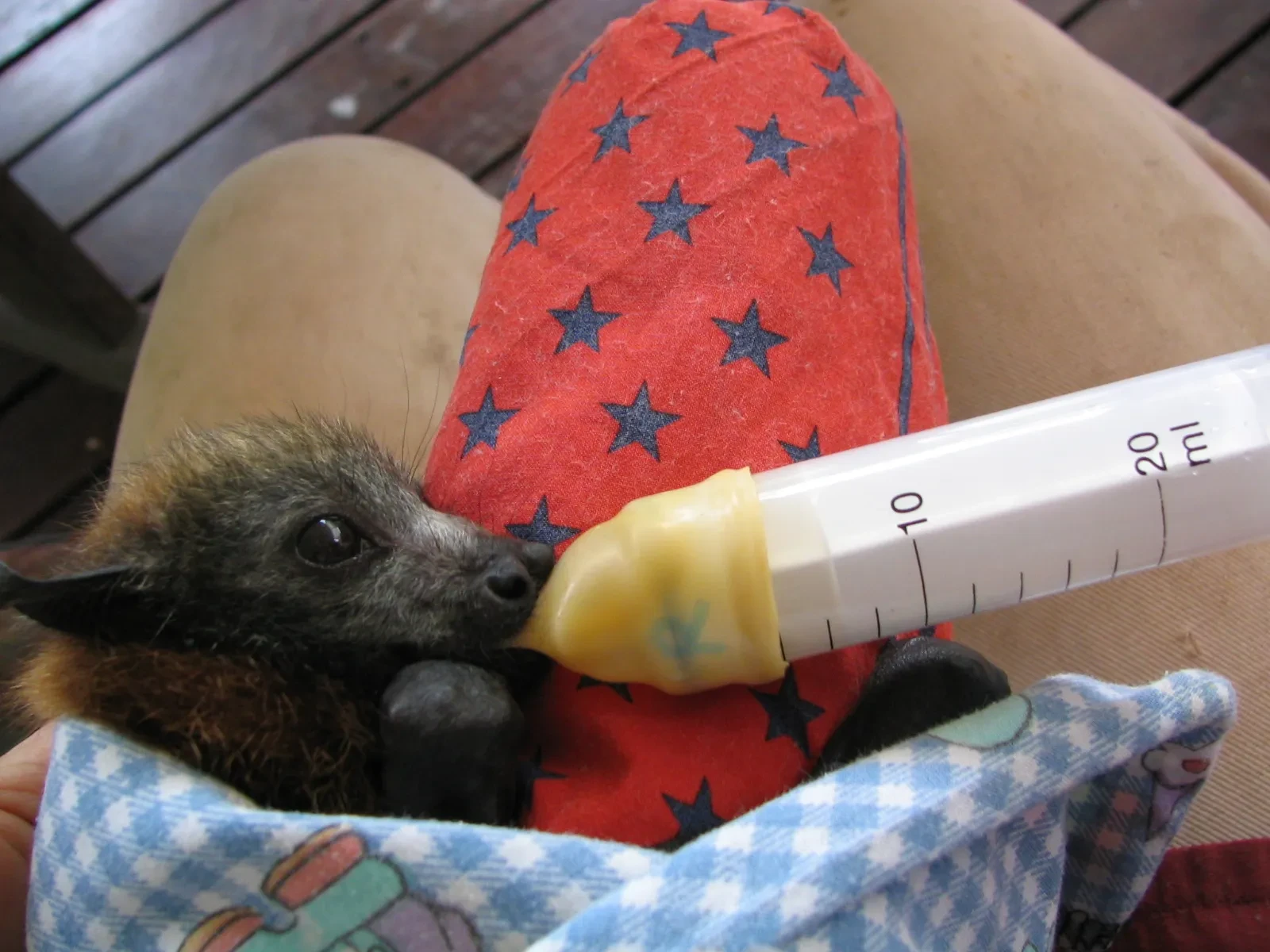
Some teats come uncut so you can control the flow. The key is to start smaller than you think—you can always enlarge a hole, but you can’t undo an over-large cut.
Read More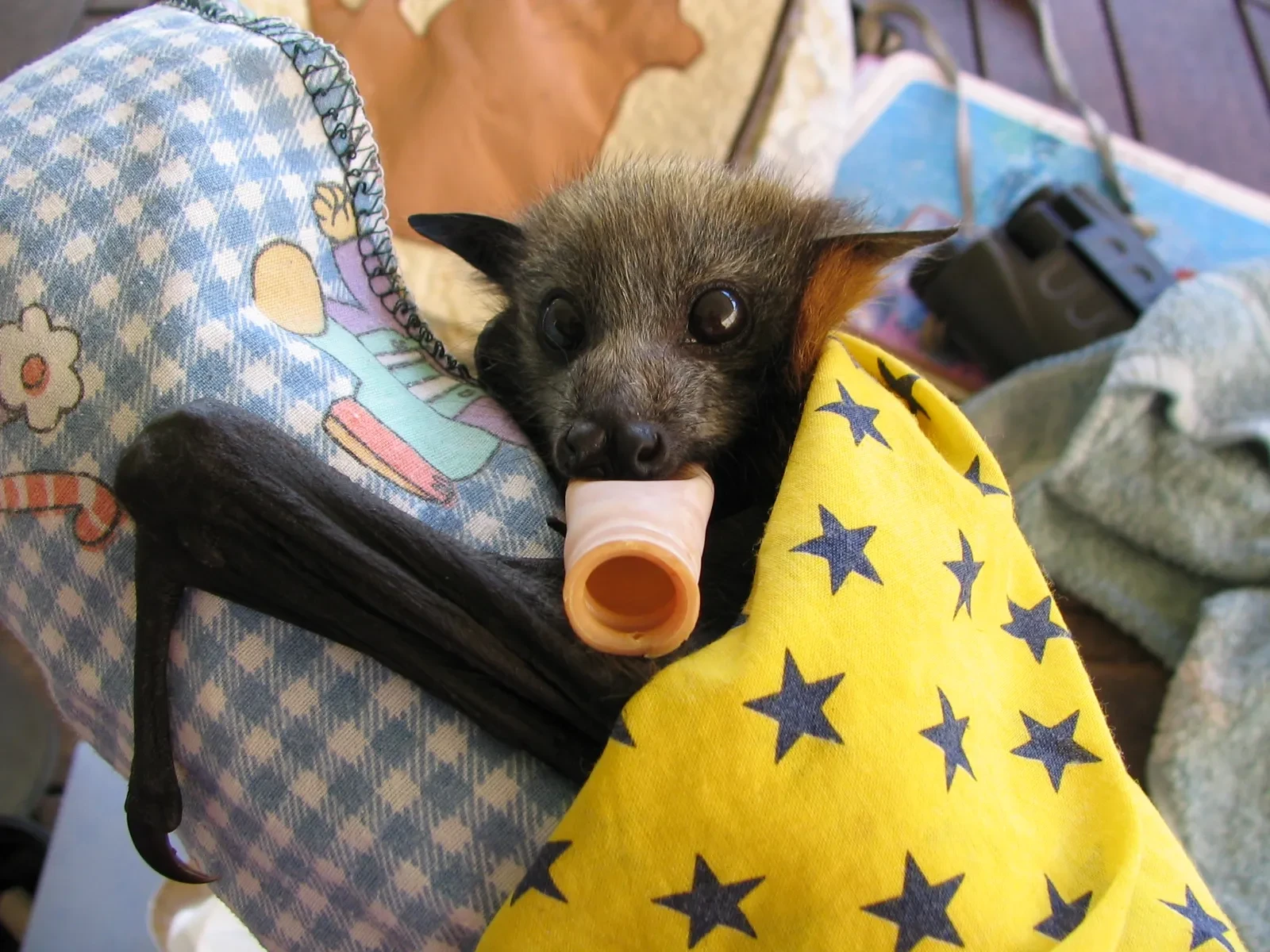
Good hygiene reduces risk—especially when caring for vulnerable animals. Build a routine you can repeat daily.
Read More
Warmth is often one of the most important supports you can provide early on. But heat must be controlled—too much can be as dangerous as too little.
Read More
Finding injured wildlife can be confronting. The best outcomes usually come from calm, minimal handling and fast contact with the right help.
Read More
Baby season can ramp up quickly. A small amount of preparation can make your day-to-day much smoother.
Read More
Rehab isn’t just about feeding—it’s also about supporting natural behaviours so animals are release-ready (under the guidance of your care program).
Read More
Our store exists for a simple reason: to support wildlife welfare and help fund ongoing rescue and rehabilitation work.
Read More